The bus announces the next stop by itself
The system reads GPS, plays the right announcement and updates the passenger screen. It keeps working even when the bus has no signal.
Tell us what makes work slow or difficult. We turn it into one clear system — the tools used on site, the app used by staff, and the dashboard used in the office.
One team connects every part, so you do not need to manage several suppliers.
You do not need to know which technology to buy. Tell us what your staff do every day, what often goes wrong, and what you wish you could see. We design the right system around that.
The system reads GPS, plays the right announcement and updates the passenger screen. It keeps working even when the bus has no signal.
Photos, forms and job updates go into one place. No more copying messages into spreadsheets after work.
Vehicles, jobs and alerts appear in one dashboard, so the office does not need to call everyone for an update.
Most problems worth solving cross a boundary — a device, an app, and a server that has to agree with both. We build all three, so nothing gets lost in the handoff.
Real hardware in the real world. We build offline-first Linux devices — GPS, audio, sensors, screens — that keep working when the network doesn’t, and update safely in the field.
iOS and Android from one codebase, built to feel native. Local-first data, real offline support, encrypted on-device storage, and a product sense that goes past the spec.
The backend that ties it together: multi-tenant APIs, admin portals, live maps, and safe rollout to hundreds of devices — with per-customer isolation baked in from day one.
From the first discovery conversation to a shipped, compliant product in the field or the store. We own the whole arc — design, engineering, release, and the boring parts that make it last.
We designed and built Alpha AIR, the on-board passenger-information and announcement platform, for IT9 Ltd. IT9 owns the system and was the first to put it to work on their own services — and now sells it on to other bus and coach operators.
Client: IT9 Ltd — it9.uk · system owner, first user & reseller
UK operators face the Public Service Vehicles (Accessible Information) Regulations 2023: every bus must announce and display the next stop. Alpha AIR delivers exactly that — GPS-triggered audio and visual next-stop announcements — but keeps the driver in control, so diversions and cancellations are handled by a person, not fought with an algorithm.
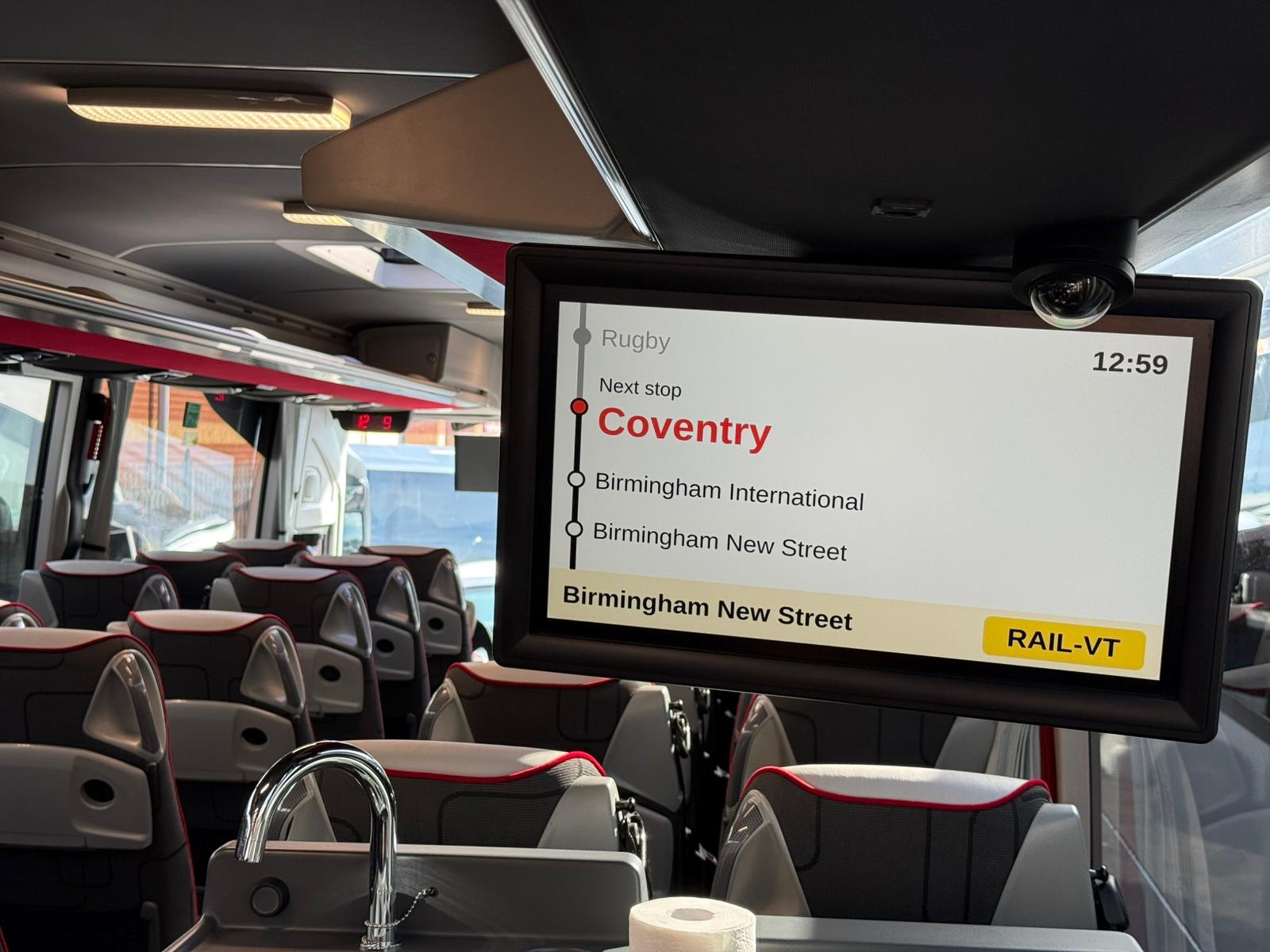
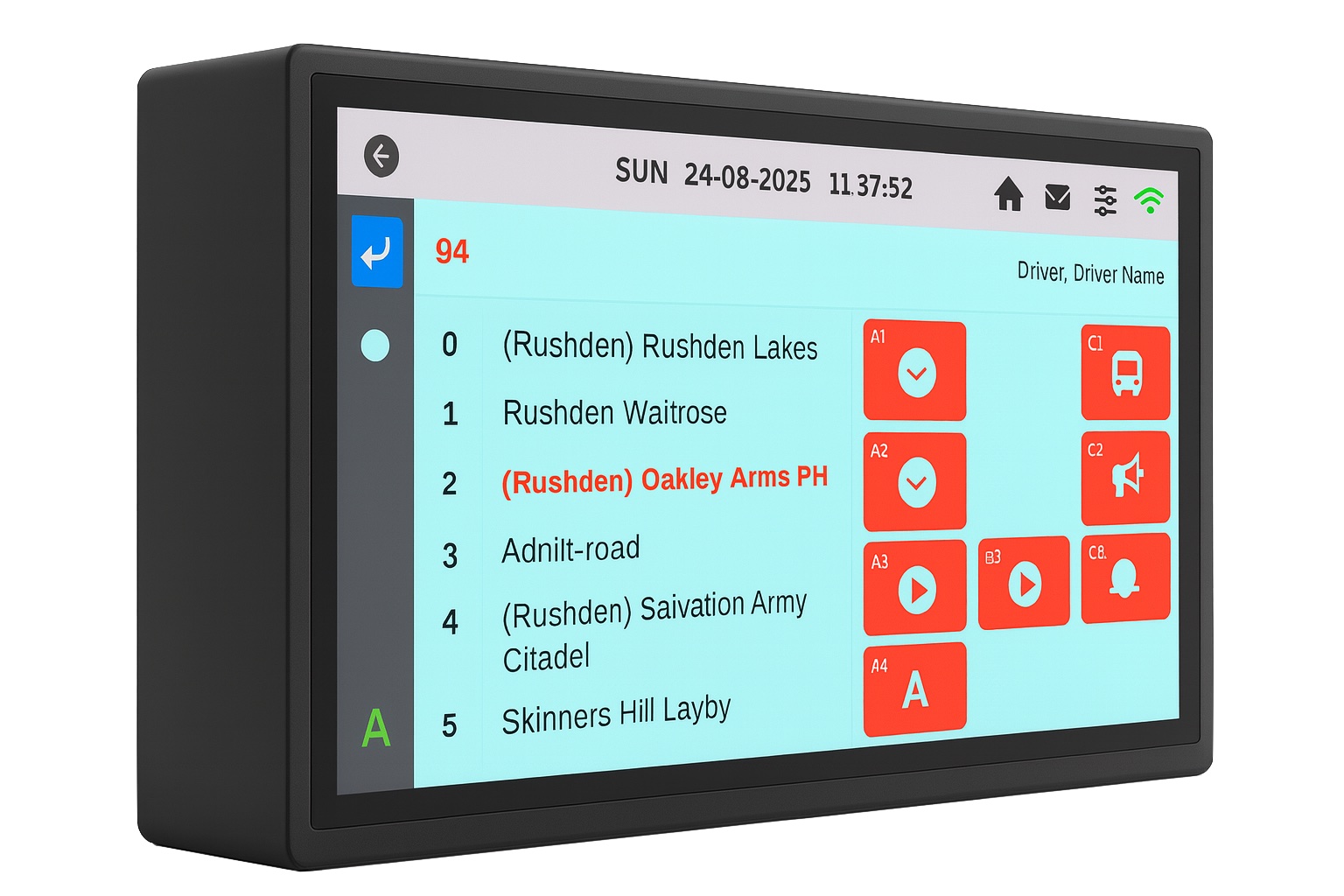
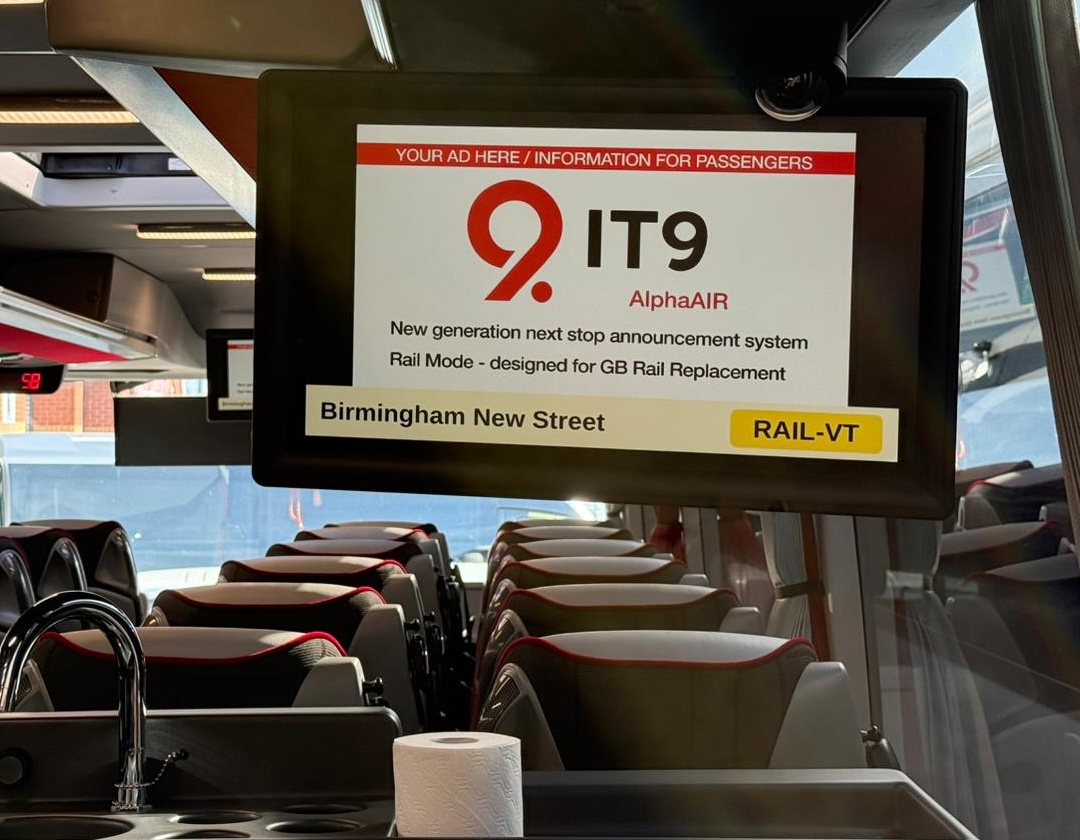
Alpha AIR isn’t off-the-shelf. We built IT9 a platform they use themselves first, then sell on as their own branded product — value passed along a chain, from IT9 to the operators who run it, to the passengers who benefit, with each link isolated and in control.
Designs & engineers the whole platform — edge, cloud, and delivery.
Runs Alpha AIR on its own services first, then sells it on to other operators as their own product.
Deploy the units on their vehicles to meet accessibility rules.
Hear and see the next stop on every journey — that’s the point of it all.
A pragmatic, boring-on-purpose stack chosen for reliability in a vehicle: compiled services, real Linux, and delivery that assumes the network — and sometimes the power — will drop.
Compiled where it counts, scripted where it’s handy
The computer that rides on the bus
Driver console, passenger screen & fleet portal
The multi-tenant fleet plane
Safe updates to devices you can’t always reach
Where routes and voices come from
A scripture-aware notebook for people who study the Bible and write about it. Type a reference and it becomes a living verse — then every note you ever wrote finds its way back to the passage it touches. The same offline-first, local-first craft we bring to clients, aimed at a notebook we wanted to exist.
A small team means a short line between the person who understands your problem and the person writing the code. Here’s the path from “we have an idea” to “it’s running on real hardware.”
We learn your domain, constraints, and what “done” really means — before writing a line.
We design for failure first: offline paths, data model, security, and how it updates.
Tight iterations you can see, with tests and CI so nothing regresses on the way.
Staged rollout with health checks and rollback — to the store, or onto real devices.
We stay for the unglamorous part: monitoring, fixes, and the next iteration.
“Byteraft” is byte plus raft — software built from many small, dependable parts that hold together and get you safely across, even if one gives way. It shows up less in what we say and more in the decisions we make before anyone asks.
We assume the network will fail, because in the field it does. Systems we build keep working with no signal and reconcile cleanly when it returns.
Device, app, and server built by one team that understands all three. Fewer seams, fewer surprises, and no “that’s the other vendor’s problem.”
Real releases with real safety nets — encrypted updates, staged rollout, health checks, and automatic rollback — so a bad deploy never becomes a bad day.
No lock-in, no hostage data. We build on open standards, hand over what we make, and design for portability from the start.
We’re deliberately small and senior — the people you meet are the people who build it. We take on a few problems at a time and give them the attention they deserve, whether that’s an audio-visual system on a moving bus or a notebook for people who study Scripture.
Whether it’s hardware in the field, an app your users live in, or the platform behind both — tell us what you’re trying to build. We’ll tell you honestly whether we’re the right team for it.